It’s book tag time!!! Persuasion is one of my favorite novels (and tied with Emma for my favorite Jane Austen novel), so imagine my delight when I learned Amrita – of Amrita by the Book – created her own tag to go with the buddy read she’s hosting! Hearing Amrita’s own answers was a lot of fun (and yes, she is the one who recommended “Troubleshooters” to me, so blame her), and since she said the tag is open to anyone, even if you’re not doing to buddy read, I couldn’t resist jumping in.
QUESTIONS:
Q1. Persuasion, like many Austen books, has been successfully adapted to screen many times. Name your beloved onscreen adaptation of a book published before 1900.
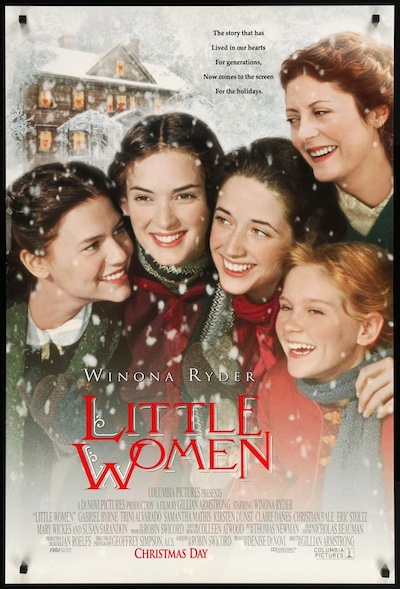
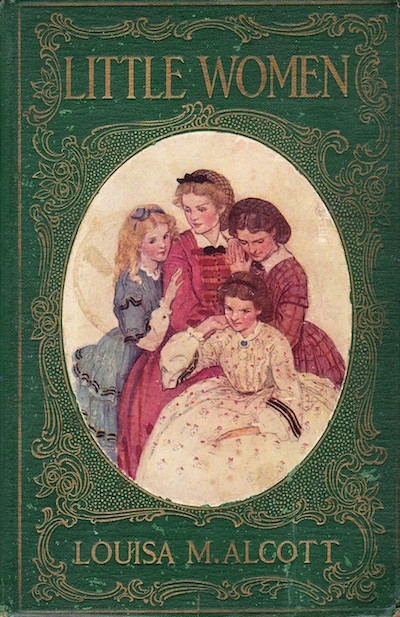
I have to go with 1994’s Little Women. It’s not a perfect movie, but it’s very good at two things a worthwhile adaptation should be good at: understanding the difference between the mediums of book and film and teasing out the subtext of the source material to give greater depth and help audiences understand the context. Though Little Women isn’t strictly autobiographical, much about the March family is modeled after L.M. Alcott’s own family and upbringing, and the film very smartly draws upon that to help modern audiences understand some things that would have been clear to her readers at the time of publication. For example, in the chapter “Meg Goes to Vanity Fair,” one of our heroines goes to stay with wealthier friends and attends a dance. As the girls are all dressing together, Meg’s simple muslin dress is contrasted against the other girls’ beautiful silks, and poor Meg, who loves pretty things and hates to be different, is persuaded to borrow a dress from a friend, but she’s ashamed of giving in later, knowing her mother will be disappointed in her. Now, this could be because the borrowed silk is low-cut and flashy, going against Marmee’s ideas of girlish modesty – and indeed, the 2019 adaptation frames it as such, letting Meg argue that she shouldn’t have to feel ashamed of liking pretty things and wanting to enjoy herself (which, no, she shouldn’t – but that’s not the point). But what modern audiences might not understand – and what the 1994 version points out, despite it not being explicit in the text – is that Marmee’s objections aren’t just about fashion but also about politics: silk is produced by slave labor in South or by child labor in the North. So no, it’s not about shaming Meg for her vanity. It’s about ethics. See the 1994 scene, here. Also, good writing aside, I grew up watching this movie, and it’s still one of my ultimate comfort-flicks.
Q2. In Persuasion, Anne and Capt. Wentworth really go through the wringer. What’s your favorite angsty romance that isn’t them?
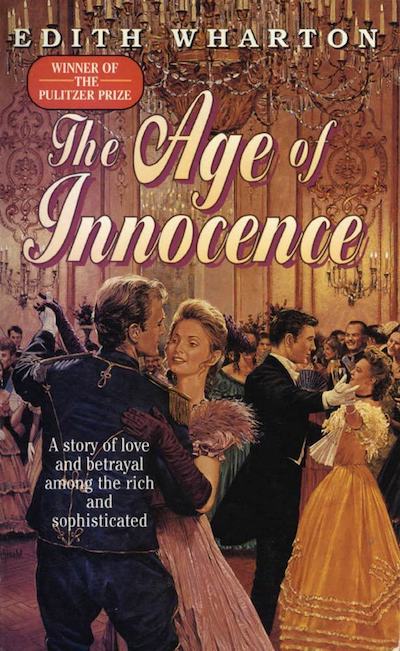
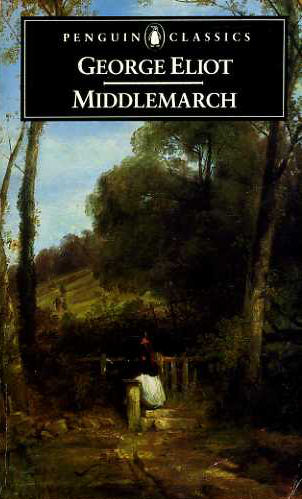
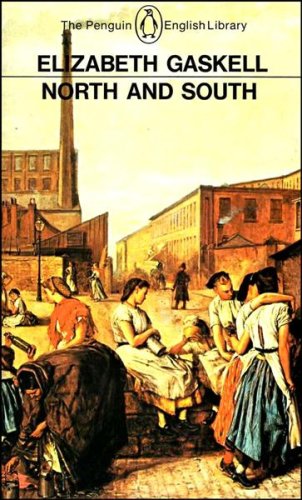
I have to choose?? C’mon! You know how much I love my angst! *sigh* Okay, I’m going to give you a few answers. Age of Innocence by Edith Wharton is probably top of the list. It’s not my usual type of romance, but this is Grade A Angst, in its purest form, making me sympathize with and root for the characters even when they’re doing things I can’t condone. The ending is also one of my favorites in literature. The romance between Dorothea and Will in Middlemarch by George Eliot another angsty delight – talk about going through the wringer! But totally worth it. The 1994 adaptation is also excellent. And I’m not just saying that because Rufus Sewell is there to be swoony! Oh! And shout-out to Elizabeth Gaskell’s North and South. Good stuff, that. I love a couple who have to work through such fundamentally different understandings of the world to understand each other.
Q3. Capt. Wentworth is a naval captain. Tell us about a book featuring a lead character who is in a branch of the military.
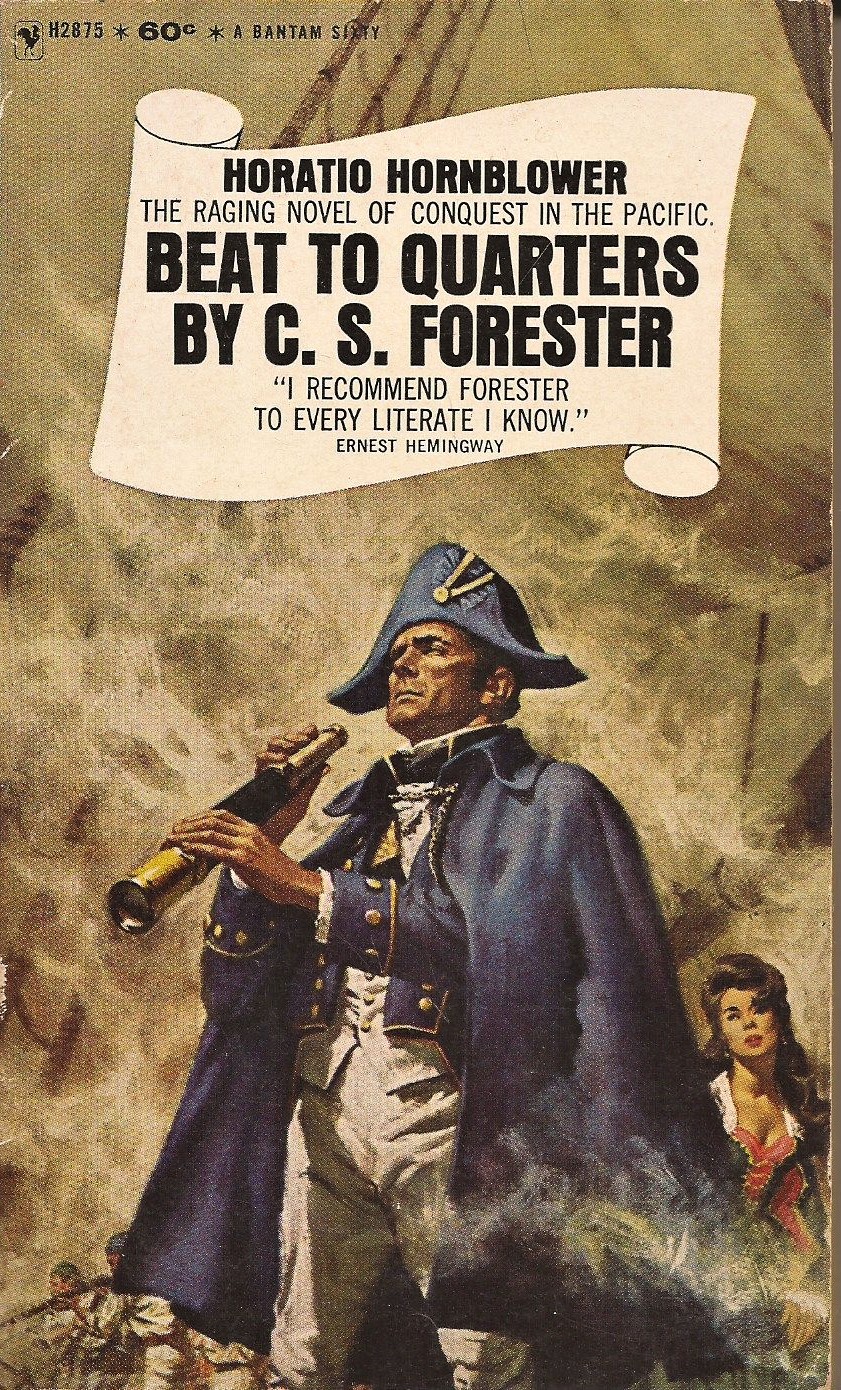
Hornblower! These books are great for both naval adventuring and character work. As I mentioned in my review of the first book, Beat to Quarters, C.S. Forester does an excellent job writing Horatio Hornblower so that we clearly see the massive difference between how he thinks of himself and how the people around him think of him. I feel sorry for his constant struggles with imposter syndrome (watching him fret can be exhausting!), but it’s also refreshing to have a hero in an adventure story who is competent and smart but isn’t cocky and completely full of himself.
Q4. British naval captains were famous adventurers. What’s your favorite adventure story?
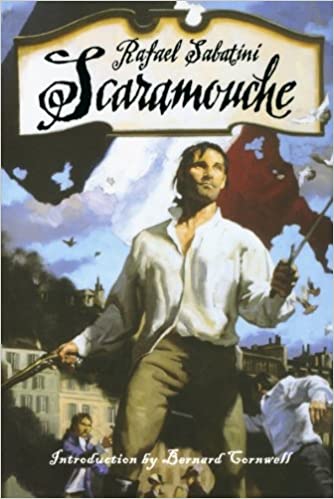
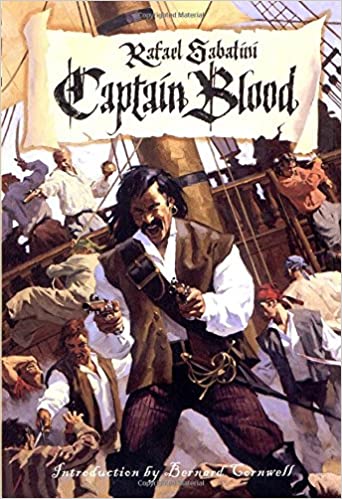
Scaramouche! Obviously! Rafael Sabatini is definitely one of my favorite authors for adventure, and Scaramouche has everything: revenge! dueling! desperate flights for freedom! and yes, a little romantic angst, too, because who are you talking to? I eat that up. Sabatini’s Captain Blood is another favorite for adventuring – and another sea-faring story! Though it’s more concerned with pirates than naval men. Captain Blood also has an epically angsty romance, so tack that onto my answer for question #2.
Q5. Anne is quite a dutiful sister. What’s your favorite literary sibling relationship?
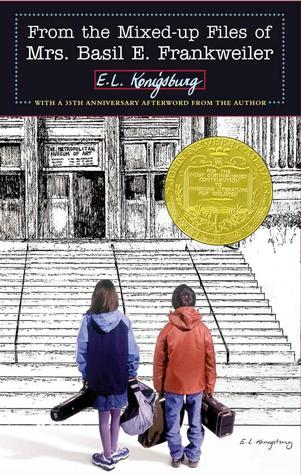
Hm… this is a tough one. I think for today, I’m going to say Claudia and Jamie from From the Mixed-Up Files of Mrs. Basil E. Frankweiler by E.L. Konigsburg. This is another childhood favorite – and, along with the 1966 movie How to Steal a Million, the reason I fantasize about running away from home and living in a museum. The dynamic between these two kids is just delightful – bossy Claudia with her big ideas and dreams, dependent on her more cautious little brother, Jamie, who actually has the means (namely, money won during his time as a card sharp on the school bus!) to carry out her plans.
Q6. By the standards of the time, Anne was a spinster. What is a book where the female lead is an older woman?
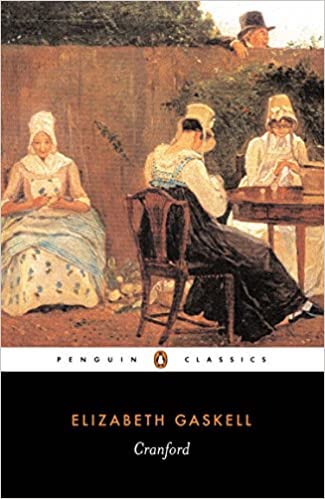
Cranford by Elizabeth Gaskell! The narrator is a relatively young woman (perhaps in her late 20s or early 30s, at most?), but the story is mostly about her friends and neighbors in the village of Cranford, which is largely populated by middle-aged women. It’s a delightful look at small-town relationships and how women interact with each other. Also, it’s just a sweet read.
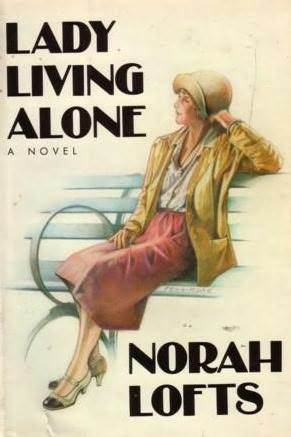
Another good one is the cozy suspense novel (is that a thing? cozy suspense?) Lady Living Alone by Norah Lofts (a.k.a. Peter Curtis). When it was published in 1945, the 35 year-old heroine would also have been considered a spinster. She’s a mousy little thing who suddenly decides, after writing a bestseller and suddenly coming into money, that she would like to leave her sister’s house and live on her own. Watching Penelope learn to be her own woman and fight for her life is immensely satisfying, and I found myself cheering for her at the end. I mean, that ending is capital “S” Satisfyyyyyiiiiing.
Q7. Persuasion is one of the most critiqued/referenced books in English literature. Name a book whose plot or characters or central ideas reference another book.
Well, that brings us back to Little Women, doesn’t it? Although it’s often left out in adaptations, Marmee gives each of the girls a copy of John Bunyan’s Pilgrim’s Progress in the beginning of the book, and they are frequently referred to as little pilgrims throughout, as they encounter new trials along the path to adulthood. To be honest, I haven’t read Pilgrim’s Progress, but it’s an important part of Little Women – especially in the first book.
Q8. Capt. Wentworth made his fortune at sea. Tell us about a book with a self-made lead character.
Okay, now let’s get into North and South! John Thornton certainly fits this description, if ever a man did. After losing everything in a business deal, Thornton’s father committed suicide, leaving the young boy both to pay off his debts and to support his mother and sister. Starting from the very bottom, Thornton works his way up until he is master of his own mill, an experience that leaves him with very hard and definite ideas about business and people. He’s a hard worker and a fair boss, though often too inflexible, which causes him to clash with our heroine, Margaret, who’s more sympathetic to the unionizing mill workers. Watching him open his mind to new ideas and perspectives (while Margaret does the same from the other end), is one of the best parts of the book. It’s fun when the romantic conflict hinges on social and ideological differences, isn’t it? ROMANCE FOR THE BRAIN.
Q9. Persuasion has a lot to say about traditional gender roles. What’s a book that plays with traditional gender roles?
So many! But for this, I’m going to answer with a series instead of just one book: Tessa Dare’s “Spindle Cove” romances center around a small English village that is a haven for unconventional women. There’s Susanna, who’s an expert markswoman, Minerva, an aspiring geologist, and Pauline, who dreams of opening a shop and selling naughty books! (A woman after my own heart.) Just to name a few. The women are all forces to be reckoned with, and the books are just plain fun.
Q10. (OPTIONAL) Finally, tell us a bit of trivia, a fun aside, a personal anecdote related to either Persuasion or any other work by Jane Austen.
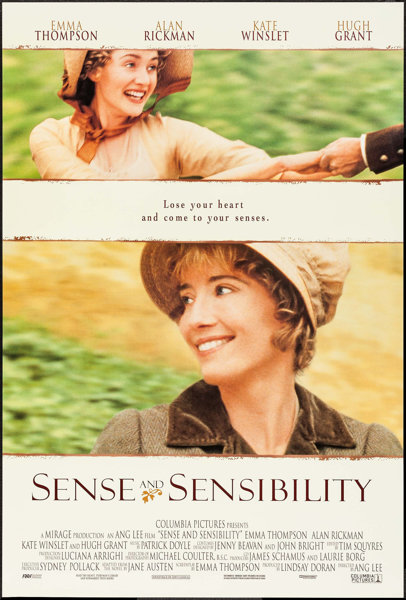
So, Persuasion is one of my very very favorite novels. It’s near perfection, in my mind. And knowing how movie adaptations sometimes creep into my head and mix with the novel, I couldn’t bear to watch an adaptation of Persuasion for yeeeeearrrrs because I just wanted to keep the book pure in my heart for a little while longer and let it be well-set in my mind before letting anyone else’s (possibly disappointing) interpretation intrude. I think it was only last year that I finally gave in and watched the 1995 version with Amanda Root and Ciarán Hinds (the mid-’90s were good for adaptations, weren’t they? Emma Thompson’s excellent Sense & Sensibility also came out that year). Thankfully, I was not disappointed by it, but I’m glad I let myself just live with the novel for so long before watching.
Q11. TAG!
If you want to do this, consider yourself tagged! I’ve had fun thinking about my answers, so hopefully, you will too.
–b

 Book It With Becca