
Emma Woodhouse is Jane Austen’s greatest female character. There. I said it! Now, this is in no way a disparagement of other Austen heroines because I love them all for different reasons, but I believe Emma is the most complex and “realistic.” She’s flawed and difficult and incredibly human, and in the writing of her, Austen is doing some of her very best character work. I go back and forth on my favorite Austen novel (it’s usually between Emma and Persuasion), but there is no doubt that Emma is my favorite among many wonderful heroines.
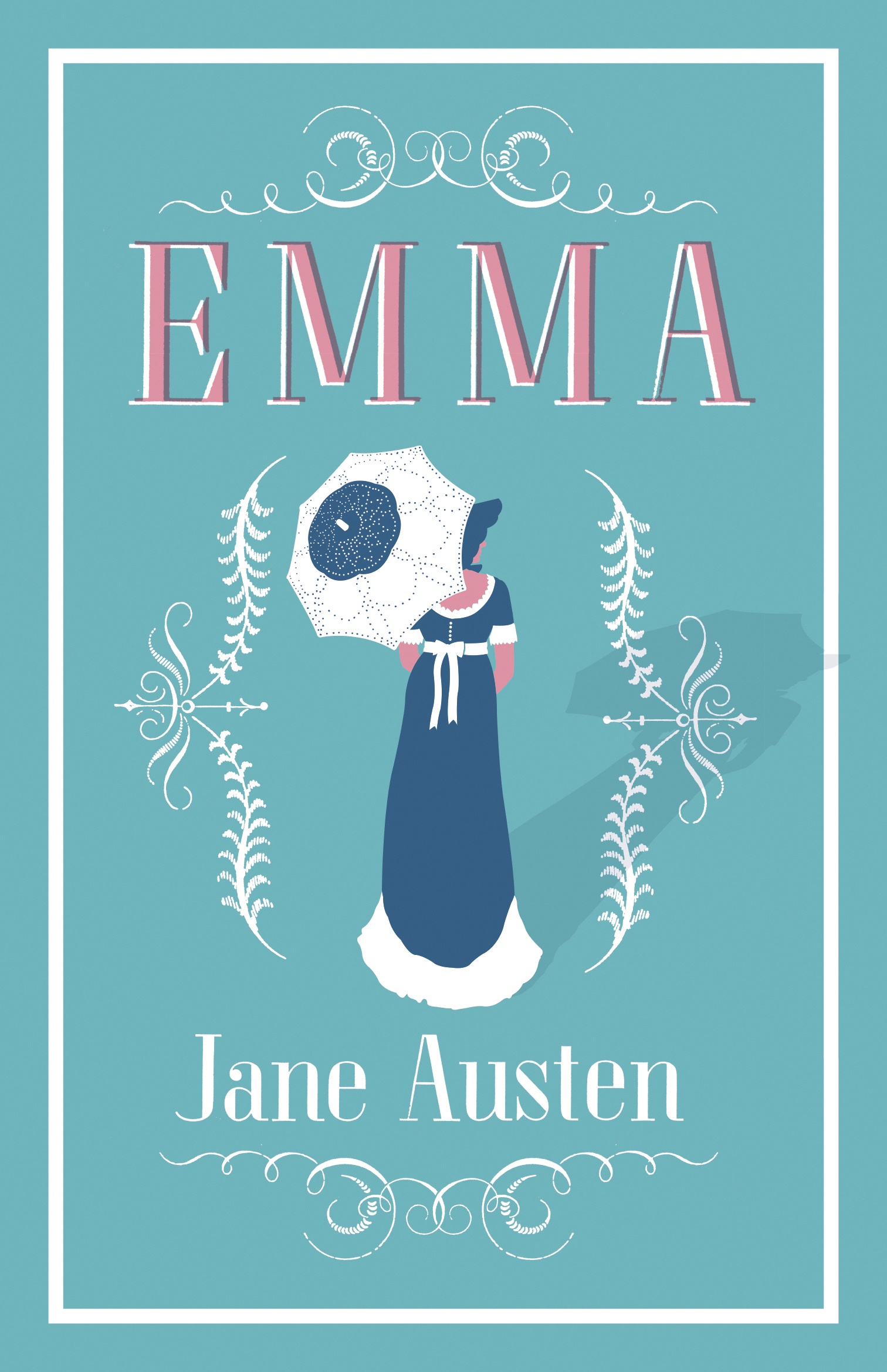
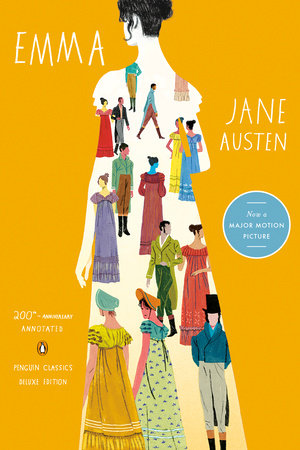
For those who haven’t read the book, Emma follows, well, Emma, a young heiress who decides to play matchmaker for the inhabitants of her small English village… to disastrous results. Along the way, she learns to see people for who they truly are (not just who she wants them to be) and gains self-knowledge, discovering her own shortcomings and even the secrets of her heart.
Now, many folks have said they don’t like Emma, which… after I got over the initial shock the first time I heard that, I do understand. Austen herself described her as a character “whom no one but myself will much like.” Emma is snobby and interfering and honestly, you could argue she’s the antagonist of her own novel. Someone once told me that in a typical novel, Jane Fairfax would be the heroine, which makes sense – the romantic, suffering orphan, all alone in the world and caught up in a love affair with an irresponsible but charismatic man (shades of Jane Eyre?). But I love that Austen chose to focus on someone like Emma instead because she’s such a meaty character and an opportunity for the author to show just what she can do. Emma is a romance and a comedy and all those things we love from Austen, but, most of all, it is a coming-of-age novel and an intimate character study, on a level that Austen doesn’t match in any of her other novels, except perhaps Sense & Sensibility.
Now, when discussing Emma and her flaws, it’s important to remember that she’s quite young. The novel begins when she is 20 years old, and it tells us right off that she has a lot of privilege as an heiress and as the mistress of her father’s house… while at the same time telling us her mother died when she was too young to really remember her, leaving her without a strong maternal figure (or really parental figure, considering her father’s state of health, whether real or imagined), as her governess was more of a friend than an authority figure.
So Emma’s young and immature, and her life is very much shaped by her childhood loss. Her mother’s death and her sister’s marriage (which takes her away from the family) leaves Emma in charge at home and in an important community position with no one to guide her or challenge her ideas about herself or her actions. Again, she’s REALLY YOUNG. Imagine yourself at 20, fabulously wealthy, pretty and clever, directing a household of servants, caring for a hypochondriac father, and basically acting as the patroness of a whole village, where everyone adores you. Wouldn’t that go to your head, too?
Luckily, she has her friend and neighbor, Mr. Knightley – the only one to view Emma critically and call her out when she needs it. And it’s not done out of meanness or superiority: It’s an act of love because when you care for someone, you encourage and push them to be their best.
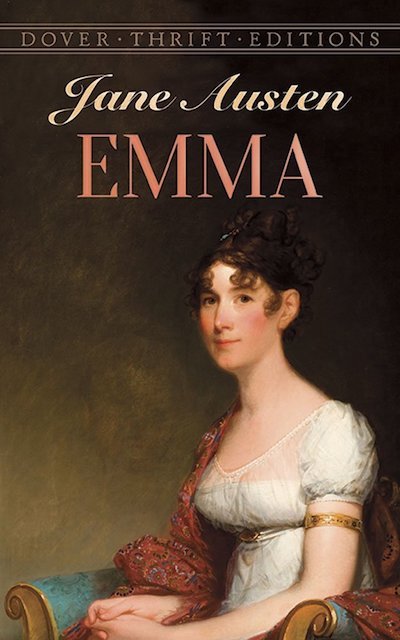
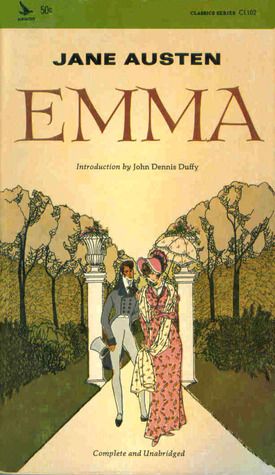
Back to Emma, though. The novel follows her for one eventful year, allowing Austen to really develop her character in a confined period of time, within a confined location (the action of the story never leaves Highbury – which is significant but a topic for another day). Emma’s belief in her own cleverness leads her to make mistakes, misunderstand people’s hearts, and do both active and passive harm to those around her on several occasions. It’s hard and it’s ugly, and yeah, it’s really painful to watch. I don’t know that Austen ever wrote a more devastating scene than that Box Hill picnic. It is masterfully done – to the point where I can barely read or watch it at times. The only reason we, as readers, can root for Emma after she has been so cruel is because she recognizes what she’s done immediately and is utterly devastated and ashamed, too. After that, she takes a very close look at her heart and tries to make amends and be better. She can’t fix all of her mistakes (though eventually, it does all work out in the end), but she has the ability to learn from them, and that’s just as important.
For me, the difficulty of Emma is why she’s such a great character. Underneath her beauty and her charm and her wealth, she’s a very real person: a young girl who must experience intense growing pains and have her whole sense of self upended to become an adult woman. I also think that the reality of that intense arc is a big part of why some readers dislike Emma. Because we’ve all made mistakes like her. We’ve all hurt people out of hubris, even with the best of intentions. But that’s painful, and we don’t want to identify with that. Everyone wants to be Elizabeth Bennett, who’s vivacious and fun (though more flawed than pop culture likes to admit – yet another topic for yet another day), but no one wants to be Emma Woodhouse.
We don’t want to be Emma Woodhouse because we ARE Emma Woodhouse. She’s not a fantasy. She’s a reality. And only a writer of Austen’s caliber, with her biting wit and sharp insight, could write a character this uncomfortably, beautifully flawed and human with such humor and with such grace. Because Austen truly is kind to Emma, even in her darkest moments, and I don’t think that’s a weakness on her part but a strength. Austen can create a tricky, “unlikable” character – a tricky, unlikable female character, no less – and portray her with honesty and humor but without condemnation. Emma is not irredeemable. She’s just human. And I love her.
–b

 Book It With Becca
Yay, I’m glad this also exists in blog form ♥
LikeLike
Lol. I’m lazy and thought… why write a whole other piece for the week’s post when I already had the rough draft? Now, IT SHALL LIVE FOREVER
LikeLiked by 1 person
Brava!
LikeLiked by 1 person
*curtsies* Why, thank you, madam.
LikeLike